
Virginia’s energy landscape is changing quickly. As data centers expand across the Commonwealth and major utility decisions remain in the spotlight, including Dominion Energy’s proposed transaction with NextEra Energy, another issue deserves equal attention: what does Virginia’s energy future look like for the homeowners, farmers, and local businesses who are already feeling the pressure of rising energy costs?
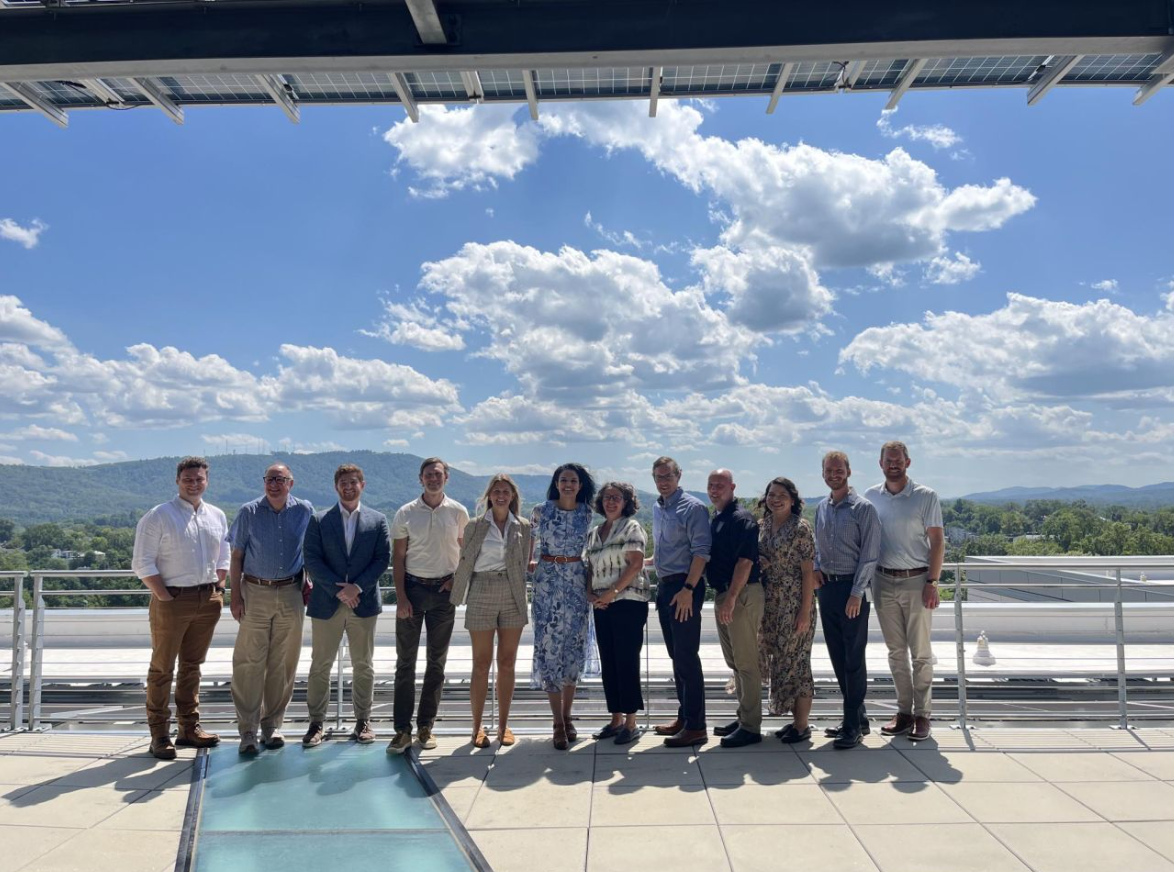
Tiger Solar recently joined Virginia delegates, senators, clean energy companies, industry leaders, and community stakeholders to discuss that very question. Hosted by APEX Clean Energy and brought together through the Charlottesville Renewable Energy Association (CvilleREA), the meeting focused on the opportunities and challenges facing Virginia’s growing clean energy industry.
The timing could not be more relevant. Dominion Energy is seeking another rate increase, and recent reporting highlighted the impact of rising electricity costs, including one Henrico homeowner who reported a $419.60 electricity bill for a 1,400-square-foot home in August.
The message from the clean energy industry is not that Virginia should stop investing in economic development or data centers. It is that Virginia’s energy policy needs to work for more than one part of the economy.
Key Takeaways from the Meeting
-
Virginia’s energy growth should benefit homeowners, farmers, and local businesses, not just large-load customers.
-
Consumers need stronger protection from misleading or predatory solar sales practices.
-
Farmers should have greater access to opportunities such as agrivoltaics, where agricultural production and solar generation can coexist.
-
Solar projects need a more predictable and consistent permitting and engineering process.
-
Residential incentives and energy programs should remain a meaningful part of Virginia’s energy strategy.
A Conversation About Virginia’s Energy Future
The meeting brought together a range of perspectives, including Virginia Delegate Katrina Callsen, Senator Creigh Deeds, and Delegate Amy Laufer, along with representatives from organizations throughout the Commonwealth’s clean energy sector.
The conversation was hosted by APEX Clean Energy, a Charlottesville-based clean energy company. APEX describes its work as advancing clean energy across North America.
CvilleREA organized the meeting and is an association of Charlottesville-based clean energy companies focused on collaboration, community, and economic development within the local renewable commercial sector.
Representatives from companies including APEX Clean Energy, Torch Clean Energy, East Point Energy, and BayWa r.e. brought perspectives from across the industry.
While data centers and the proposed Dominion transaction understandably received significant attention, Tiger’s focus remained on a broader question:
How can Virginia build an energy system that supports economic growth while keeping energy affordable, reliable, and accessible for the people and businesses that call Virginia home?
Putting Customers at the Center
One of the most important issues discussed was customer protection.
As solar adoption grows, so does the number of companies selling solar directly to homeowners. Responsible solar providers have an important role to play in helping Virginians understand their options, but customers should never have to navigate misleading claims, high-pressure tactics, or unclear agreements.
Tiger Solar supports stronger customer protection against out-of-state, door-to-door solar companies that use misleading or predatory sales practices.
A healthy solar market depends on trust. Homeowners should be able to understand what they are purchasing, who they are purchasing it from, what it will cost, and what they can realistically expect from the system.
Good policy should protect customers without creating unnecessary barriers for reputable local solar businesses.
Giving Virginia Farmers More Energy Options
Virginia’s farmers are another important part of the energy conversation.
Rather than treating agriculture and solar as competing interests, Virginia can explore policies that allow them to work together where appropriate.
That means creating incentives that help farmers evaluate and adopt agrivoltaic projects while supporting responsible land use, agricultural productivity, and local economic development.
Making Solar Projects Easier to Build
Another major concern raised during the discussion was the difficulty of getting viable commercial solar projects across the finish line.
Today, projects can face complicated infrastructure requirements, including Dominion requirements related to infrastructure and dark fiber. In some cases, these requirements can delay or eliminate otherwise viable multimillion-dollar solar projects.
Permitting presents another challenge.
Virginia needs a more streamlined and consistent permitting process across jurisdictions, particularly as local authorities having jurisdiction face staffing shortages and extended review timelines.
Developers also need greater predictability.
Published, consistent engineering requirements would help ensure projects are evaluated according to clear standards rather than being rejected because of changing interpretations or requirements that were never formally communicated.
This is not about lowering standards.
It is about making the standards clear, consistent, and achievable.
A predictable process benefits everyone: local governments, developers, utilities, businesses, and the communities where projects are built.
What About the Homeowner?
Perhaps the most important part of Virginia’s energy conversation is also the simplest:
What does all of this mean for the average homeowner?
As electricity demand grows, Virginians are right to ask questions about affordability, reliability, and grid capacity.
Will rates continue to rise?
Will the grid remain reliable as large energy users come online?
What happens during periods of extreme demand?
And what options do homeowners have to take greater control over their own energy costs?
These are not theoretical questions.
Recent reporting on Dominion’s proposed rate increase shows just how significant energy costs have become for Virginia households. Virginia’s energy plans should not focus only on large projects while leaving homeowners with fewer options.
Meaningful residential incentives, tax relief, energy-efficiency programs, and opportunities for homeowners to generate their own electricity should be part of the conversation, too.
A More Balanced Energy Future
Tiger Solar supports responsible economic development, a reliable electric grid, and a constructive working relationship with utilities and elected officials.
We also believe Virginia can and should pursue an energy strategy that gives homeowners, farmers, and local businesses a meaningful role in the Commonwealth’s energy future.
That means:
- Protecting consumers
- Supporting local employers
- Encouraging responsible solar development
- Creating opportunities for Virginia farmers
- Improving permitting and regulatory consistency
- Investing in grid reliability
- Giving homeowners practical tools to manage their energy costs
Virginia does not have to choose between economic growth and affordable energy. The goal should be an energy system that supports both.
The recent conversation hosted by APEX and supported by CvilleREA was an important start. Bringing elected officials, industry leaders, and community stakeholders to the same table creates an opportunity to identify practical solutions and to make sure the voices of homeowners, farmers, and local businesses remain part of the conversation.
At Tiger Solar, we believe solar can be part of that solution.
Solar gives homeowners and businesses an opportunity to produce more of their own electricity, reduce their reliance on the traditional grid, and take greater control of their long-term energy costs. Our goal is to make that transition straightforward, transparent, and accessible.
Virginia’s energy future is being built now. Let’s make sure it works for all Virginians.
Interested in exploring solar for your home or business?
Learn more about how solar could work for you and connect with the Tiger Solar team today.