
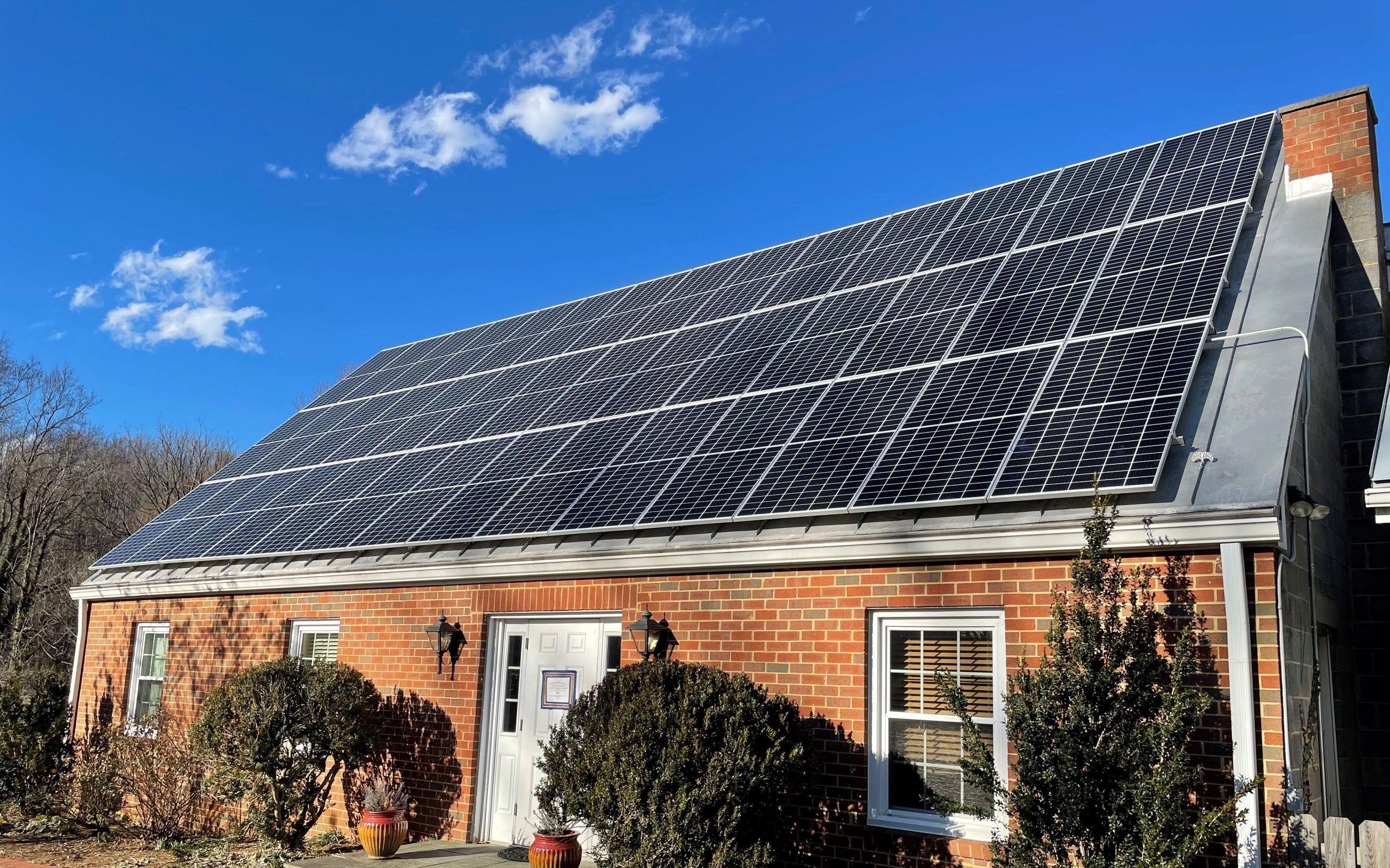
For Virginia homeowners facing rising electricity costs, solar panels offer a practical way to reduce monthly utility bills and gain more control over household energy expenses. But are solar panels worth it in Virginia? The answer depends on your home’s energy usage, roof condition, local utility rates, and how long you plan to stay in your home.
From Northern Virginia’s growing suburbs to the sunny communities of Hampton Roads and Central Virginia, solar can deliver long-term savings when a system is properly designed. Here’s what Virginia homeowners should know before making the investment.
How Much Can Solar Panels Save Virginia Homeowners?
Solar panels generate electricity from sunlight, reducing the amount of power you need to purchase from your utility company. Over time, those savings can help offset the upfront cost of installation.
In Virginia, electricity consumption often increases during hot, humid summers when air conditioning runs frequently. Winter heating can also drive up energy bills, particularly in homes that rely on electric heat pumps or other electric heating systems. Solar panels can help offset these seasonal energy demands by producing electricity throughout the year.
Your actual savings depend on factors such as your roof’s sun exposure, system size, household consumption, and utility rates. A home in Richmond with an unshaded, south-facing roof may have different results than a property in Arlington with substantial tree cover.
The key is comparing the cost of installing solar with the electricity expenses you could avoid over the system’s lifetime.
Does Virginia Get Enough Sun for Solar Panels?
Absolutely. Virginia receives sufficient sunlight to make residential solar a viable option across much of the state. Although Virginia experiences cloudy days, rain, and seasonal changes, solar panels can still generate electricity under indirect sunlight.
Local conditions matter, however. Homeowners in Charlottesville, Richmond, Norfolk, and surrounding communities should consider roof orientation, shading from mature trees, and the available installation area when evaluating a system.
South-facing roofs generally offer strong solar production, but east- and west-facing roofs can also work well. A professional assessment can estimate annual energy production based on your specific property rather than relying on statewide averages.
How Virginia’s Net Metering Policies Affect Solar Savings
One important advantage for Virginia homeowners is net metering. Through participating utility programs, eligible solar customers can receive bill credits for excess electricity their panels send to the grid.
For example, your system might produce more electricity than your household needs on a sunny afternoon. That excess power can be exported to the grid, generating credits that may help offset electricity drawn from the utility at night or during less sunny periods.
Dominion Energy Virginia offers a net metering program, and other Virginia utilities have their own requirements and policies. Credit values, eligibility limits, and program details can vary by provider, so confirm the rules that apply to your home before installing solar.
Understanding these policies is essential when estimating your long-term return on investment.
What About Solar Incentives in Virginia?
Incentives can influence the overall cost of going solar, but homeowners should verify which programs are currently available and whether they qualify.
Virginia has net metering policies and other renewable energy initiatives. Depending on your location and circumstances, you may also find utility-specific programs or financing options that make installation more affordable.
It’s important to check federal tax credit eligibility carefully. The federal residential clean energy tax credit under Section 25D is no longer available for expenditures made after December 31, 2025, under current federal law. Homeowners considering solar in 2026 should not assume they can claim the former 30% residential credit.
Before signing a contract, review your financing options, available state and utility programs, and the total installed cost. These details will help you determine whether solar makes financial sense for your household.
Solar Panels vs. Traditional Electricity:
Which Costs Less Over Time?
Traditional electricity requires ongoing payments to your utility provider, and those bills can change as rates and household energy needs evolve. Solar panels require an initial investment, but they can reduce your reliance on purchased electricity for decades.
Most residential solar systems are designed to operate for 25 years or longer, although production gradually declines over time. Your long-term savings depend on installation costs, maintenance, financing interest, utility rates, and how much of your solar electricity you use.
Solar may be particularly attractive if you:
- Plan to remain in your home for many years.
- Have consistently high electricity bills.
- Own a roof with good sun exposure and minimal shading.
- Can install a system at a competitive price.
- Have access to favorable net metering terms.
On the other hand, an aging roof, extensive shading, or plans to move soon could make the investment less appealing. Replacing your roof before installing panels may help avoid additional costs later.
Is Solar Worth It for Your Virginia Home?
For many Virginia homeowners, solar panels can provide meaningful long-term electricity savings, greater energy independence, and reduced reliance on conventional power. However, the financial benefits vary from one property to another.
The best way to decide is to compare a customized solar proposal with your current electricity expenses. Look beyond the advertised monthly payment and consider the total system cost, projected production, utility bill credits, financing terms, and estimated payback period.
At Tiger Solar, homeowners can explore solar solutions tailored to their property’s energy needs and long-term goals. Whether you’re in Richmond, Northern Virginia, or the Tidewater region, a personalized assessment can help you understand your options.
Ready to find out whether solar panels are worth it for your Virginia home? Contact Tiger Solar to discuss your energy goals and explore a solar system designed to help you save over time.